
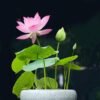
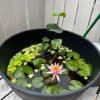
Lotus Plant (Nelumbo nucifera) – Sacred Aquatic Flower
Bring natural beauty, peace, and spiritual charm to your garden with the Lotus (Nelumbo nucifera), also known as the Indian Lotus or Sacred Lotus. Famous for its elegant flowers, broad green leaves, and cultural significance, the Lotus is an excellent choice for garden ponds, water gardens, and outdoor aquatic landscapes.
Key Features of the Lotus Plant
- Botanical Name: Nelumbo nucifera
- Common Names: Lotus, Indian Lotus, Sacred Lotus
- Plant Type: Aquatic Flowering Perennial
- Sunlight Requirement: Full Sun
- Water Requirement: Standing Water
- Suggested Water Depth: 15–30 cm above the growing medium, depending on the variety
- Maintenance Level: Difficult
- Ideal Location: Garden Ponds, Water Gardens, and Aquatic Containers
Beauty and Significance of the Lotus
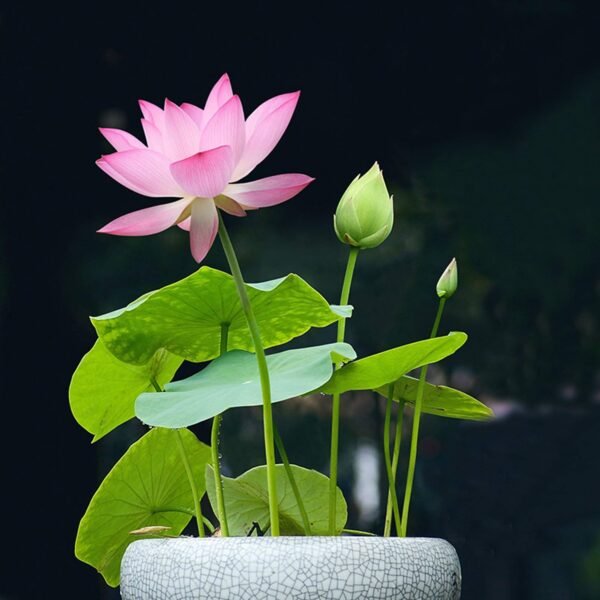
The Lotus is one of the most admired flowering aquatic plants, known for its distinctive leaves and beautiful blooms. Its flowers may appear in pink, white, and other colours depending on the variety.
In Hindu tradition, the Lotus is associated with Goddess Lakshmi, Goddess Saraswati, and Lord Brahma. It symbolizes purity, prosperity, knowledge, and spiritual growth, making it a meaningful addition to gardens and outdoor spaces.
Sunlight Requirements
The Lotus thrives in full sunlight and generally benefits from approximately 6–8 hours of direct sunlight daily. Adequate sunlight encourages healthy leaf development and supports flowering. Choose a bright outdoor location for the best growing results.
Water Requirements
As an aquatic plant, the Lotus requires standing water to grow successfully. A water depth of approximately 15–30 cm above the growing medium can be a suitable starting point for many varieties. However, the ideal depth depends on the Lotus variety, container size, and growing conditions.
Maintain consistent water levels and avoid allowing the growing medium to dry out.
Planting and Growing Tips
Plant your Lotus in a wide, sturdy aquatic container or a suitable garden pond. Use heavy aquatic soil or clay-based growing medium to help anchor the plant. Avoid lightweight potting mixes that may float and cloud the water.
Choose a container with enough room for the Lotus rhizomes to spread. Containers designed to hold standing water should generally not have drainage holes.
Lotus Plant Care Guide
Sunlight: Provide full sun, ideally around 6–8 hours of direct sunlight daily.
Water: Maintain standing water at a depth appropriate for your Lotus variety.
Growing Medium: Use suitable heavy aquatic soil or clay-based pond soil.
Fertilizer: Apply fertilizer specifically formulated for aquatic plants, following the manufacturer’s instructions.
Maintenance: Remove dead leaves and spent flowers when necessary. Monitor water levels and plant growth regularly.
Temperature: The Lotus generally grows actively in warm conditions. Growth may slow during cooler weather, depending on the climate and variety.
Where Can You Grow a Lotus Plant?
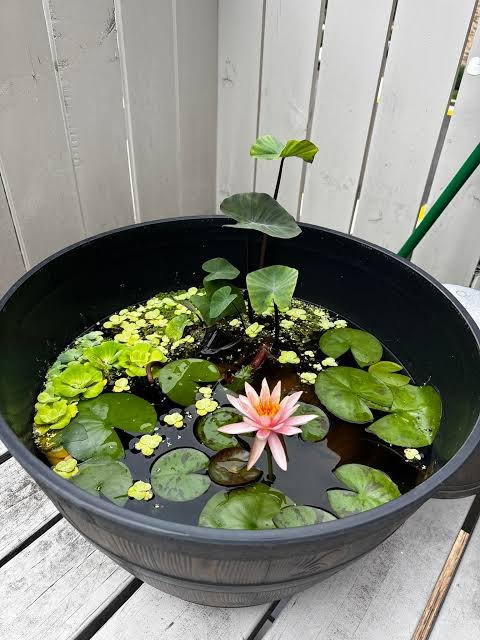
The Lotus is suitable for garden ponds, ornamental water gardens, outdoor aquatic containers, and landscaped water features. It can also be grown in a spacious terrace or patio area if you can provide adequate sunlight, sufficient water depth, and a suitable container.
Is the Lotus Plant Easy to Maintain?
The Lotus is generally considered challenging to maintain compared with many common garden plants. It needs sufficient sunlight, suitable water depth, appropriate growing medium, and enough space for healthy development. Understanding its aquatic growing requirements can help you maintain a healthy plant and encourage beautiful seasonal blooms.
Why Choose the Lotus Plant?
The Lotus combines attractive flowers, distinctive foliage, and deep cultural significance. Whether

Reviews
There are no reviews yet.