
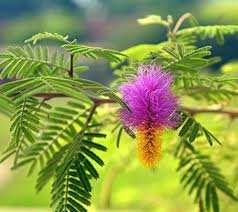
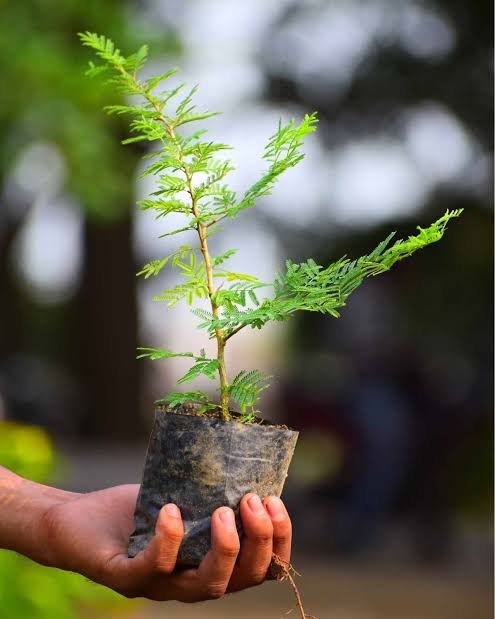
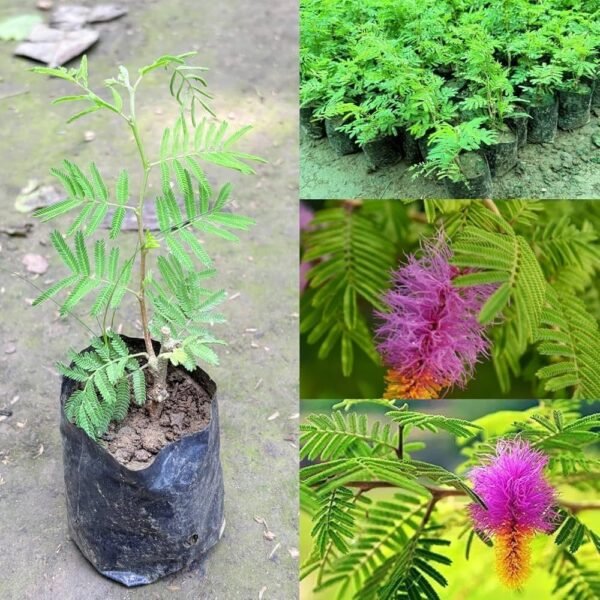
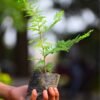
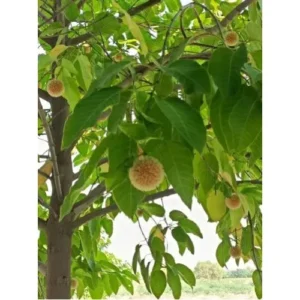
Shami Tree (Prosopis cineraria) – A Sacred and Hardy Tree
The Shami Tree (Prosopis cineraria), commonly known as the Khejri tree, is a resilient tree native to the Indian subcontinent and well adapted to hot, dry climates. It is valued for its ability to thrive in challenging environmental conditions and its importance in traditional Indian culture.
Religious and Cultural Significance
The Shami tree holds a special place in Hindu tradition and is associated with the Pandavas in the Mahabharata. According to the epic, the Pandavas hid their weapons in a Shami tree during their period of exile. Because of this traditional association, the tree is regarded as auspicious and is worshipped by many devotees, especially during Vijayadashami (Dussehra).
Sunlight Requirements
The Shami tree grows best in full sunlight. Choose an outdoor location that receives several hours of direct sunlight daily to support healthy growth and development.
Watering Requirements
Once established, the Shami tree is highly drought-tolerant and generally requires minimal watering. Water young plants regularly while they establish their roots, allowing the soil to dry appropriately between watering sessions. Avoid waterlogged soil.
Soil Requirements
Shami grows well in well-drained soil and can tolerate a range of soil conditions, including relatively dry and sandy soils. Good drainage is important for healthy root development.
Growth and Maintenance
The Shami tree is hardy and relatively easy to maintain once established. It is adapted to warm, dry environments and can develop into a medium-sized to large tree under suitable conditions. Growth rate depends on climate, soil, watering, and other growing conditions.
Ideal Placement
Plant Shami in an open outdoor area with plenty of sunlight and enough room for its mature canopy and roots. Avoid planting too close to buildings, foundations, paving, or underground utilities.
Why Choose the Shami Tree?
- Sacred tree associated with the Pandavas in the Mahabharata
- Full-sun-loving and drought-tolerant once established
- Requires relatively little water after establishment
- Suitable for warm and dry climates
- Hardy and easy to maintain
- A meaningful addition to suitable outdoor landscapes
Note: The Shami tree can grow large over time, so select its planting location carefully. Watering needs may vary depending on the plant’s age, local climate, and soil conditions.

Reviews
There are no reviews yet.