


Kadamba Tree (Neolamarckia cadamba) – A Fast-Growing Tropical Tree
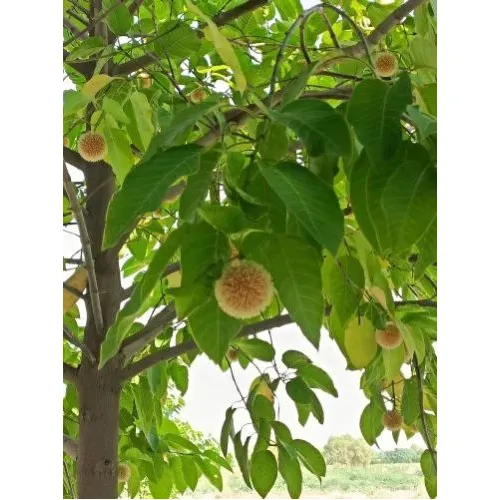
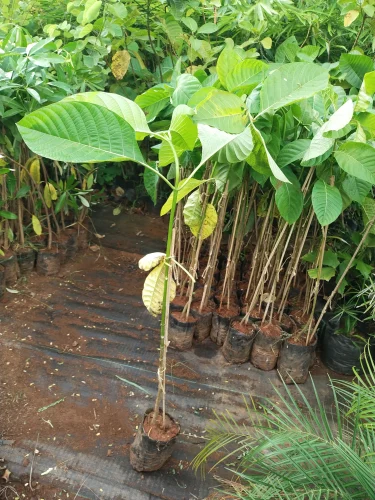
The Kadamba Tree (Neolamarckia cadamba), also known as Kadam, is a tropical tree admired for its lush foliage, rounded crown, and distinctive spherical flowers. It is well suited to warm climates and can grow rapidly when provided with adequate sunlight, moisture, and fertile soil.
Religious and Cultural Significance
The Kadamba tree holds a special place in Hindu tradition and is closely associated with Lord Krishna’s childhood pastimes, particularly stories connected with the forests and groves of Vrindavan. Its cultural significance and natural beauty make it a meaningful choice for gardens inspired by Indian heritage.
Sunlight Requirements
The Kadamba tree grows well in full sunlight. Select an outdoor location that receives several hours of direct sunlight daily to encourage healthy growth and flowering.
Watering Requirements
Kadamba prefers regular watering, especially during its early growth and in hot weather. Keep the soil consistently moist without allowing it to remain waterlogged. Established trees may tolerate short dry periods, but prolonged dryness can affect their growth.
Soil Requirements
This tree grows best in moist, fertile, well-drained soil. Soil enriched with organic matter can support healthy root development. Good drainage is important even though the plant prefers moisture, as standing water around the roots may cause problems.
Growth and Maintenance
Kadamba is known for its fast growth under favourable tropical conditions. With sufficient sunlight, regular watering, and fertile soil, it can develop into a large tree with a broad canopy. It is relatively easy to maintain when its basic growing requirements are met.
Flowering and Appearance
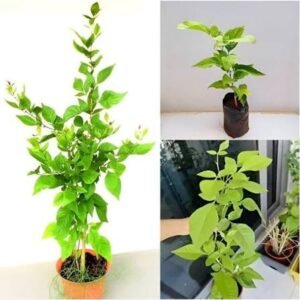
One of the Kadamba tree’s most distinctive features is its round, ball-shaped flower heads, which are often yellowish-orange and fragrant. Its broad green leaves and spreading canopy also make it an attractive choice for suitable outdoor landscapes.
Ideal Placement
Plant Kadamba in a spacious outdoor garden, park, or landscape where it can receive plenty of sunlight and enough room to mature. As it can become a large tree, avoid planting it too close to buildings, foundations, paved areas, or underground utilities.
Why Choose the Kadamba Tree?
- Closely associated with Lord Krishna’s childhood pastimes
- Produces distinctive, fragrant, spherical flowers
- Thrives in full sunlight
- Prefers moist, fertile soil
- Fast-growing in suitable tropical conditions
- Creates an attractive green canopy
- A meaningful choice for traditional and ornamental gardens
Plant Care Tip: Water regularly, particularly during the establishment period and dry weather. Maintain soil moisture while ensuring excess water can drain away freely.
Reviews
There are no reviews yet.