

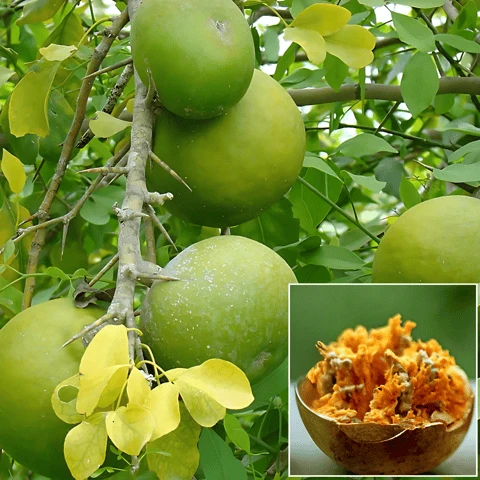
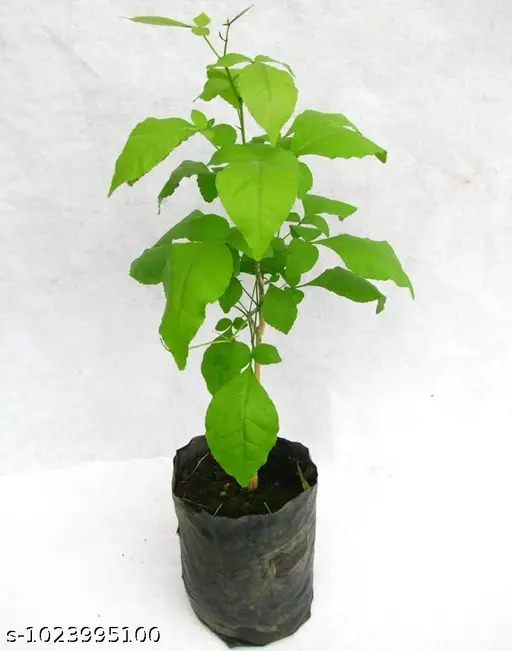


Bael Tree (Aegle marmelos) – A Sacred Tree Associated with Lord Shiva
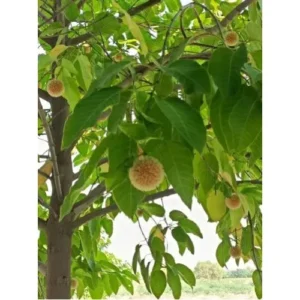
The Bael Tree (Aegle marmelos), commonly known as the Bel Tree or Bengal Quince, is a culturally significant tree native to the Indian subcontinent and parts of South Asia. It is valued for its traditional importance, attractive foliage, and edible fruits.
Religious and Cultural Significance
The Bael tree holds a special place in Hindu tradition and is particularly sacred to Lord Shiva. Its leaves, commonly known as Bel Patra, are traditionally offered during Shiva worship and are an important part of many religious rituals. Growing a Bael tree can be a meaningful addition to a home garden or suitable outdoor space for those who value its cultural significance.
Sunlight Requirements
The Bael tree grows well in partial shade to full sunlight. For healthy growth, choose a location with adequate natural light. A sunny outdoor position is generally suitable, although young plants may benefit from some protection from intense afternoon sun in particularly hot conditions.
Watering Requirements
Bael prefers moderate watering. Water the plant when the soil begins to dry, taking care not to keep the roots constantly waterlogged. Young plants may need more regular watering while establishing their root systems, whereas established trees are generally more tolerant of dry periods.
Soil Requirements
Plant Bael in well-drained soil to encourage healthy root development. It can tolerate different soil types, provided excess water drains away properly. Avoid locations where water collects around the roots for long periods.
Growth and Maintenance
The Bael tree is hardy and relatively easy to maintain once established. With suitable sunlight, appropriate watering, and well-drained soil, it can grow into a medium-sized tree. Its growth and overall performance depend on the local climate, soil conditions, and care provided.
Ideal Placement
Choose an outdoor location with adequate sunlight and enough room for the tree to develop its mature canopy and roots. Avoid planting too close to buildings, foundations, paved areas, or underground utilities.
Why Choose the Bael Plant?
- Sacred to Lord Shiva in Hindu tradition
- Leaves traditionally offered during Shiva worship
- Suitable for partial shade to full sunlight
- Prefers well-drained soil
- Requires moderate watering
- Hardy and easy to maintain once established
- A meaningful addition to gardens and suitable outdoor landscapes
Plant Care Tip: Water young plants regularly while they establish. Once established, adjust watering according to rainfall, temperature, and soil moisture. Good drainage is essential for healthy growth.
Reviews
There are no reviews yet.