
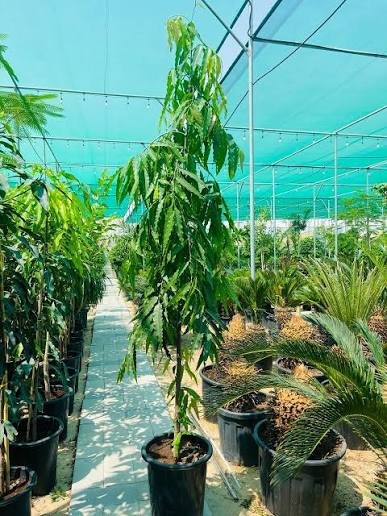
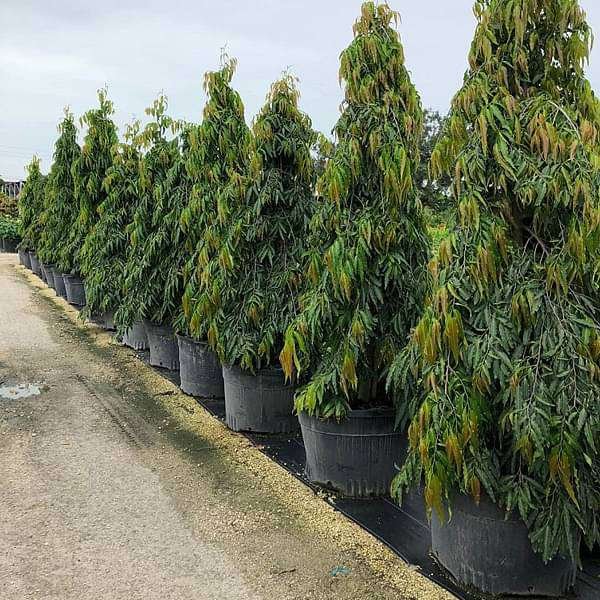


Ashoka Tree (Saraca asoca) – A Beautiful Tree of Indian Heritage
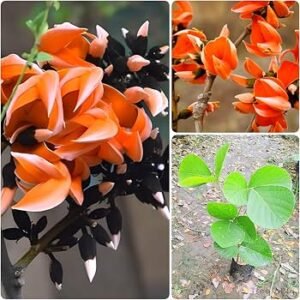
The Ashoka Tree (Saraca asoca) is an evergreen tree native to the Indian subcontinent and admired for its graceful appearance, lush foliage, and clusters of fragrant flowers. It holds an important place in Indian culture, mythology, and traditional gardens.
Religious and Cultural Significance
The Ashoka tree is associated with Ashoka Vatika in the Hindu epic Ramayana, the garden where Goddess Sita was held captive by Ravana. Because of this traditional association, the tree carries cultural and historical significance and is valued by people who appreciate plants connected with India’s heritage.
Sunlight Requirements
The Ashoka tree grows well in partial shade to full sunlight. Young plants often benefit from partial shade, particularly in hot climates. Choose a location with suitable light and protection from harsh environmental conditions to support healthy growth.
Watering Requirements
This tree prefers regular watering, particularly during its early growth and in hot or dry weather. Keep the soil reasonably moist without allowing it to become waterlogged. Adjust watering according to rainfall, temperature, and soil drainage.
Soil Requirements
The Ashoka tree prefers fertile, moist, well-drained soil. Good drainage is important because prolonged waterlogging can damage the roots. Adding organic matter to suitable garden soil can help support healthy growth.
Growth and Maintenance
The Ashoka tree is an evergreen species that can develop into a medium-sized tree under suitable growing conditions. It benefits from consistent moisture, suitable sunlight, and protection from harsh weather when young. It is not a climbing plant and does not require climbing support.
Frost Protection
Young Ashoka plants are sensitive to cold and frost. In colder regions, protect young plants during winter using suitable plant covers or by growing them in a sheltered location. Container-grown plants can be moved to a protected area during periods of frost.
Ideal Placement
Plant the Ashoka tree in a suitable outdoor garden or landscaped area with enough room for its mature size. Choose a location with appropriate sunlight, good drainage, and protection from severe cold.
Why Choose the Ashoka Tree?
- Associated with Ashoka Vatika in the Ramayana
- Evergreen foliage and attractive flowers
- Suitable for partial shade to full sunlight
- Benefits from regular watering
- Prefers fertile, well-drained soil
- A meaningful addition to traditional and ornamental gardens
- Young plants can be protected from frost with proper care
Plant Care Tip: Maintain consistent soil moisture while avoiding waterlogging. Protect young plants from frost and harsh cold to encourage healthy establishment.
Botanical Note: Saraca asoca is the Ashoka tree described here. It should not be confused with the commonly planted ornamental false Ashoka, Polyalthia longifolia (now often classified as Monoon longifolium), which has a different appearance and growth habit.
Reviews
There are no reviews yet.