
Banyan Tree (Vat Vriksha) – Ficus benghalensis
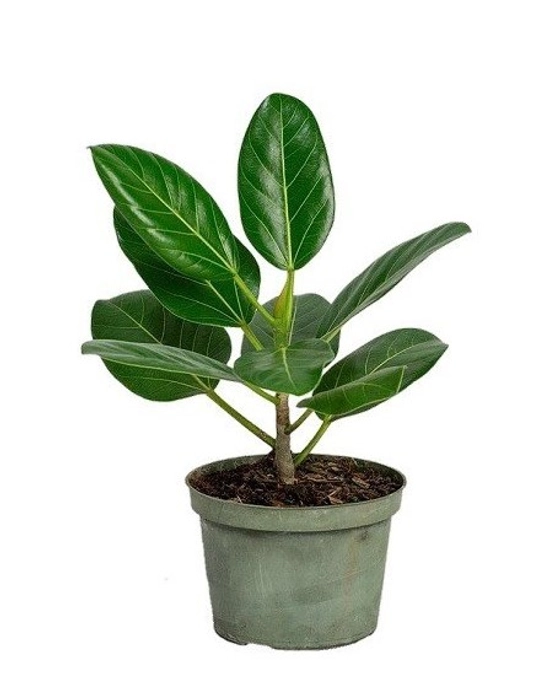
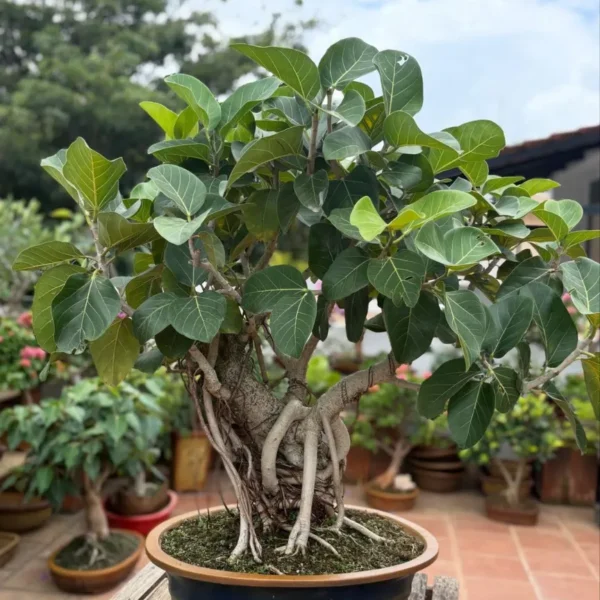
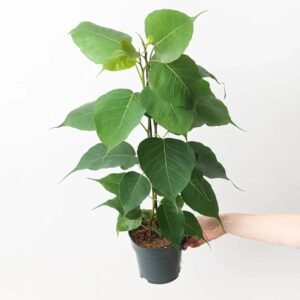
The Banyan Tree (Ficus benghalensis), popularly known as Vat Vriksha, is one of India’s most iconic and culturally significant trees. Famous for its expansive canopy, strong trunk, and distinctive aerial roots, this magnificent tree represents longevity, strength, resilience, and immortality.
Revered in Indian traditions, the Banyan Tree holds a special place in cultural and spiritual life. It is associated with Lord Shiva and is widely respected as a symbol of eternal life and stability. Its impressive appearance makes it a valuable addition to parks, large gardens, institutional landscapes, and spacious outdoor areas.
Key Features of the Banyan Tree
- Botanical Name: Ficus benghalensis
- Common Name: Banyan Tree, Vat Vriksha, Bargad
- Plant Type: Large Evergreen Tree
- Sunlight: Full Direct Sunlight
- Watering: Regular Watering
- Soil: Well-Drained Soil
- Growth Habit: Spreading Canopy with Aerial Roots
- Maintenance: Easy once established
- Ideal Location: Parks, Large Gardens, and Open Landscapes
Cultural and Spiritual Significance
The Banyan Tree is deeply rooted in Indian culture and traditions. It symbolizes longevity, immortality, wisdom, and stability because of its remarkable lifespan and ability to spread over a large area.
Known as Vat Vriksha, the tree is respected in several Hindu traditions and is associated with Lord Shiva in some cultural interpretations. The Banyan Tree is also significant during Vat Savitri observances, when many Hindu women worship it as part of traditional rituals.
Its long life and expansive growth make it a powerful symbol of continuity and the enduring connection between nature and spirituality.
Sunlight Requirements
The Banyan Tree grows well in full sunlight and thrives in bright outdoor environments. Adequate direct sunlight supports healthy foliage, strong growth, and the development of its broad canopy.
Choose an open location where the tree can receive plenty of sunlight throughout the day.
Watering Requirements
Water the Banyan Tree regularly, especially during its early establishment period. Young plants require consistent moisture to develop healthy roots.
Once established, the tree can tolerate some dry periods, depending on local conditions. Allow excess water to drain away and avoid keeping the soil continuously waterlogged.
Adjust watering according to rainfall, temperature, soil type, and the plant’s age.
Soil Requirements
The Banyan Tree grows in a variety of soil types but generally performs best in well-drained soil. Good drainage helps maintain healthy roots and reduces the risk of root problems caused by excessive moisture.
Choose a spacious planting area with sufficient soil depth to support its extensive root system.
Growth Habit and Characteristics
The Banyan Tree is known for its vigorous growth and distinctive aerial roots, which emerge from its branches and grow downward toward the soil. Once established, these roots can develop into additional supporting trunks, allowing the tree to spread across a considerable area.
Its dense canopy provides shade and creates habitat for birds and other wildlife. Small fig-like fruits produced by the tree can also serve as a food source for various animals.
Because of its large mature size, the Banyan Tree is best suited to spacious outdoor locations rather than small residential gardens.
Banyan Tree Care Guide
Sunlight: Provide full sunlight in an open outdoor location.
Watering: Water regularly while the plant is young. Reduce watering frequency once established, according to weather and soil moisture.
Soil: Use well-drained soil that supports healthy root development.
Fertilizer: Established trees generally need limited additional feeding when growing in suitable soil. Young plants may benefit from balanced fertilizer applied according to product instructions.
Pruning: Remove dead, damaged, or diseased branches when necessary. Major pruning should be handled carefully because of the tree’s eventual size.
Space: Allow plenty of room for the canopy, aerial roots, and extensive root system to develop.
Maintenance: Inspect the plant periodically and maintain appropriate soil moisture, especially during dry weather.
Where Can You Grow a Banyan Tree?
The Banyan Tree is ideal for:
- Large gardens and open landscapes
- Parks and public green spaces
- Farmhouses and spacious properties
- Institutional campuses
- Suitable temple grounds and community landscapes
Avoid planting it close to buildings, foundations, underground utilities, or paved areas because its roots and mature canopy can become extensive.
Is the Banyan Tree Easy to Maintain?
The Banyan Tree is generally easy to maintain once established. It grows vigorously when provided with sufficient sunlight, suitable soil, and appropriate watering.
However, its mature size and spreading roots require careful planning. Although routine care is relatively simple, choosing the right planting location is essential for long-term growth.
Why Choose the Banyan Tree?
The Banyan Tree is an excellent choice for people looking for a long-lived tree with cultural significance, an impressive natural appearance, and ecological value. Its broad canopy, distinctive aerial roots, and association with longevity make it a remarkable feature of large outdoor landscapes.
Whether planted in a spacious garden, park, or institutional landscape, the Vat Vriksha offers a lasting connection to India’s natural and cultural heritage.
Botanical Name: Ficus benghalensis
Common Names: Banyan Tree, Vat Vriksha, Bargad
Sunlight: Full Sun
Watering: Regular Watering
Soil: Well-Drained Soil
Maintenance: Easy once established
Important Planting Tip: The Banyan Tree can grow extremely large. Select a permanent planting location with sufficient room for its mature canopy, aerial roots, and extensive root system.

Reviews
There are no reviews yet.