

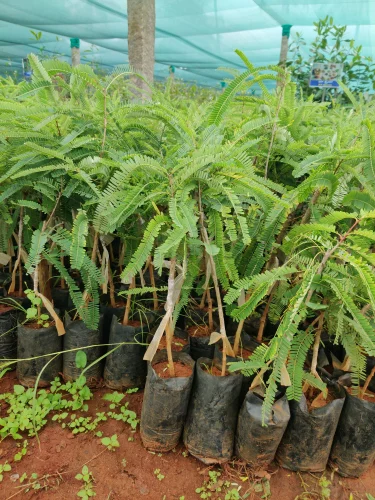


Indian Gooseberry (Amla) Plant – Phyllanthus emblica
Bring natural beauty, traditional significance, and the joy of homegrown fruit to your garden with the Indian Gooseberry (Phyllanthus emblica), widely known as Amla. This popular fruit-bearing tree is valued for its small, greenish-yellow fruits, attractive foliage, and long-standing place in Indian gardening and traditional food culture.
The Amla tree is suitable for home gardens, orchards, and outdoor landscapes. With adequate sunlight, well-drained soil, and appropriate watering, it can grow into a productive tree that provides fresh fruits and greenery.
Key Features of the Indian Gooseberry Plant
- Botanical Name: Phyllanthus emblica
- Common Name: Indian Gooseberry, Amla, Amalaki
- Plant Type: Fruit-Bearing Tree
- Sunlight Requirement: Full Sun
- Water Requirement: Regular Watering
- Soil Type: Well-Drained Soil
- Maintenance Level: Easy
- Ideal Location: Home Gardens, Orchards, and Outdoor Landscapes
Cultural and Religious Significance
The Indian Gooseberry holds an important place in Indian culture and Hindu traditions. It is associated with Lord Vishnu and is particularly significant during Akshaya Navami, a festival observed by many Hindu communities.
The Amla tree is traditionally respected for its spiritual importance and connection with nature. Growing this tree in a suitable outdoor space can bring a meaningful cultural element to your garden.
Sunlight Requirements
The Amla tree grows best in a sunny outdoor location with plenty of direct sunlight. Full sunlight supports healthy growth, strong branches, and fruit development.
Choose a location that receives several hours of direct sunlight every day. Adequate light is particularly important when growing Amla for fruit production.
Watering Requirements
Water the Indian Gooseberry plant regularly, especially while it is young and establishing its roots. Keep the soil appropriately moist without allowing water to accumulate around the roots.
Once established, Amla trees can tolerate periods of dry weather better than many other fruit trees. However, watering during prolonged dry spells can support healthy growth and fruit development.
Adjust watering according to the season, rainfall, soil type, and plant age.
Soil Requirements
The Amla tree prefers well-drained soil that allows excess water to escape easily. It can adapt to various soil types, provided drainage is adequate.
For container-grown plants, use a suitable growing medium and a pot with drainage holes. For garden planting, choose a location where water does not remain around the roots after rain.
Planting and Growing Tips
Choose a sunny outdoor location with enough room for the tree to develop its branches and root system.
Dig a planting hole suitable for the root ball and plant the tree at approximately the same depth as it was growing in its nursery container. Backfill with soil and water thoroughly after planting.
Apply a layer of organic mulch around the base to help retain soil moisture, keeping the mulch away from direct contact with the trunk.
Indian Gooseberry Plant Care Guide
Sunlight: Provide full sunlight for healthy growth and better fruit production.
Watering: Water regularly during establishment and during dry weather. Avoid waterlogged soil.
Soil: Use well-drained soil suitable for fruit-bearing trees.
Fertilizer: Apply a balanced fertilizer or suitable organic compost according to the tree’s age and growing conditions.
Pruning: Remove dead, damaged, or diseased branches as needed to maintain healthy growth and an appropriate shape.
Maintenance: Monitor soil moisture, inspect foliage and branches, and provide sufficient space for the tree to grow.
Benefits of Growing an Amla Tree
Homegrown Fruits: Enjoy fresh Amla fruits when the tree reaches fruit-bearing maturity.
Garden Beauty: Its foliage and branching structure make it a useful addition to outdoor gardens and orchards.
Traditional Value: Amla has a long history of use in Indian food traditions and Ayurveda.
Long-Term Gardening: With suitable growing conditions, an Amla tree can remain a productive part of a home garden for many years.
Where Can You Grow Indian Gooseberry?
The Indian Gooseberry is well suited to home gardens, fruit orchards, farm landscapes, and other outdoor spaces with sufficient sunlight.
Young plants may be grown in large containers temporarily, but a spacious outdoor planting location is generally preferable for long-term growth and fruit production.
Is the Indian Gooseberry Plant Easy to Maintain?
Yes, the Indian Gooseberry is generally considered easy to maintain once established. It benefits from full sunlight, well-drained soil, regular watering during its early growth, and occasional pruning. Avoid excessive watering and ensure that the roots are not sitting in stagnant water.
Why Choose the Indian Gooseberry Plant?
The Indian Gooseberry is an excellent choice for gardeners looking for a traditional Indian fruit tree with cultural significance and practical value. Its adaptability, nutritious fruits, and suitability for home gardens make it a rewarding addition to an outdoor planting collection.
Botanical Name: Phyllanthus emblica
Common Name: Indian Gooseberry (Amla)
Sunlight: Full Sun
Watering: Regular Watering
Soil: Well-Drained Soil
Maintenance: Easy
Add the Indian Gooseberry tree to your garden and enjoy the beauty, tradition, and satisfaction of growing your own fruit-bearing tree.

Reviews
There are no reviews yet.