


Peepal Tree (Ficus religiosa) – Sacred Fig
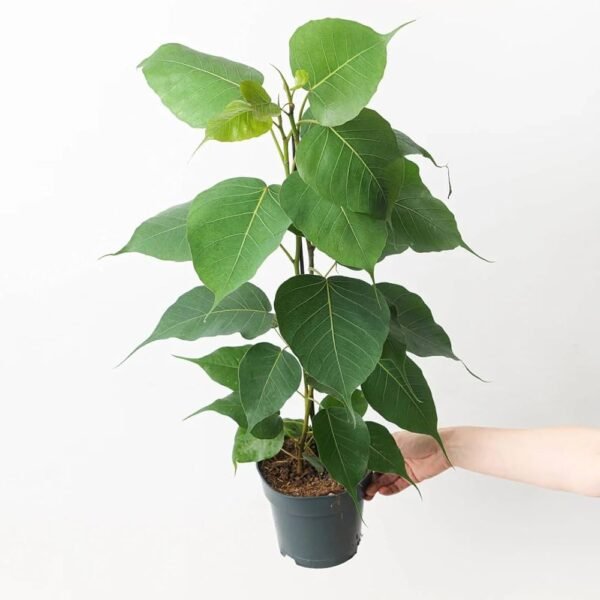
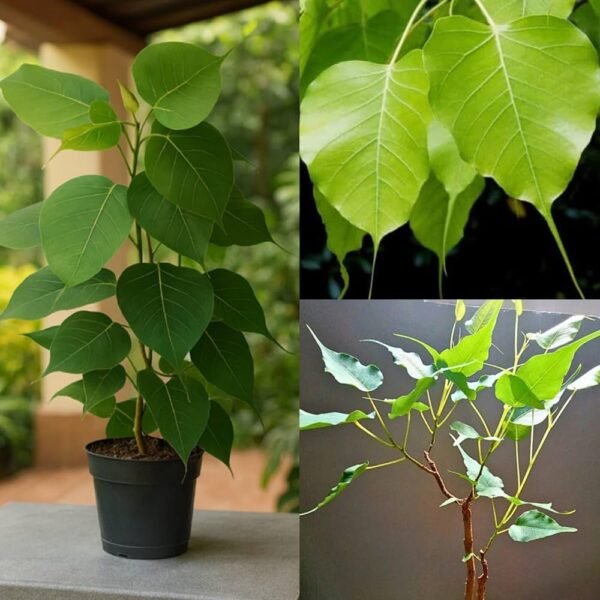
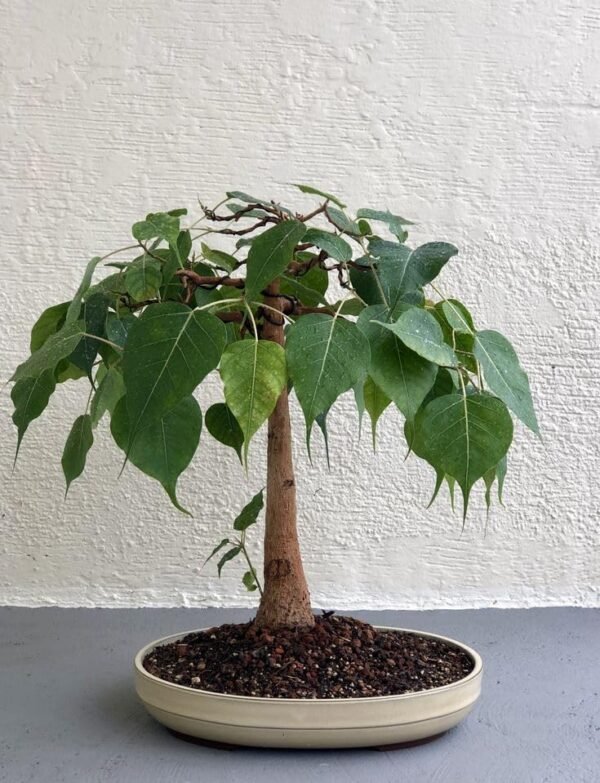
The Peepal Tree (Ficus religiosa), commonly known as the Sacred Fig or Bodhi Tree, is one of the most culturally significant trees in India. Recognized by its distinctive heart-shaped leaves with long, tapering tips, this impressive tree is admired for its natural beauty, longevity, and spiritual importance.
The Peepal Tree holds a special place in Hindu traditions and is considered sacred by many communities. It is traditionally associated with Lord Brahma, Lord Vishnu, and Lord Shiva and symbolizes wisdom, spirituality, and the continuity of life.
With its broad canopy and vigorous growth, the Peepal Tree is suitable for spacious outdoor landscapes, temple grounds, parks, and other locations where it has sufficient room to mature.
Key Features of the Peepal Tree
- Botanical Name: Ficus religiosa
- Common Name: Peepal Tree, Sacred Fig, Bodhi Tree
- Plant Type: Large Tree
- Sunlight: Full Direct Sunlight
- Watering: Moderate Watering
- Soil: Well-Drained Soil
- Growth Rate: Vigorous under Suitable Conditions
- Maintenance: Easy once established
- Ideal Location: Parks, Temple Grounds, and Large Outdoor Landscapes
Cultural and Religious Significance
The Peepal Tree is deeply respected in Indian culture and religious traditions. It is traditionally associated with the Hindu trinity of Lord Brahma, Lord Vishnu, and Lord Shiva.
The tree is also known as the Bodhi Tree because a Peepal tree is traditionally associated with the enlightenment of Gautama Buddha. For this reason, it holds particular significance in Buddhist traditions as well.
Its long life and distinctive appearance have made it a lasting symbol of wisdom, spiritual awareness, and continuity across generations.
Distinctive Heart-Shaped Leaves
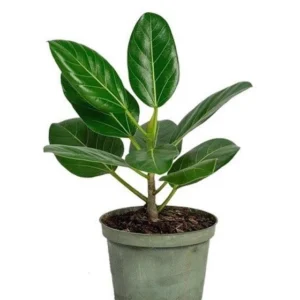
One of the most recognizable features of the Peepal Tree is its heart-shaped foliage, which ends in a long, pointed tip. The leaves move gently in the breeze, giving the tree a distinctive and graceful appearance.
Its dense foliage can provide shade, while its branches and fruits support various forms of wildlife.
Sunlight Requirements
The Peepal Tree grows well in direct sunlight and generally prefers a bright outdoor location. Adequate sunlight supports healthy foliage and vigorous growth.
Choose a sunny location with sufficient room for the tree to develop its mature canopy.
Watering Requirements
Water young Peepal plants moderately and regularly while they establish their root systems. Allow excess water to drain away and avoid keeping the soil continuously waterlogged.
Once established, the tree can tolerate periods of dry weather, depending on local climate and soil conditions. Adjust watering according to rainfall, temperature, and soil moisture.
Soil Requirements
The Peepal Tree can adapt to a range of soil conditions but generally benefits from well-drained soil. Good drainage supports healthy root development and reduces the risk of root damage caused by excessive moisture.
Select a planting location with sufficient soil depth and room for the tree’s extensive root system.
Peepal Tree Care Guide
Sunlight: Provide full direct sunlight in an open outdoor location.
Watering: Water moderately, especially during the early growth stage. Avoid waterlogged soil.
Soil: Use suitable, well-drained soil.
Fertilizer: Young plants may benefit from suitable organic compost or a balanced fertilizer applied according to product instructions.
Pruning: Remove dead or damaged branches when necessary. Major pruning should be planned carefully.
Spacing: Allow sufficient space for the tree’s mature height, canopy, and extensive roots.
Maintenance: Monitor soil moisture, inspect the foliage, and protect young plants from damage.
Where Can You Grow a Peepal Tree?
The Peepal Tree is suitable for:
- Large gardens and open landscapes
- Parks and public green spaces
- Suitable temple grounds
- Spacious institutional campuses
- Farmhouses and other large outdoor properties
Important: The Peepal Tree can grow very large, and its roots may spread extensively. Avoid planting it close to buildings, foundations, paved areas, underground utilities, or small residential gardens.
Is the Peepal Tree Easy to Maintain?
The Peepal Tree is generally easy to maintain once established. It grows well in sunny locations and can adapt to a variety of suitable soil conditions.
Although routine care may be straightforward, its eventual size and root system require careful planning. Selecting the right planting location is essential for long-term growth.
Why Choose the Peepal Tree?
The Peepal Tree is an excellent choice for those who appreciate sacred trees, traditional Indian landscapes, and long-lived greenery. Its distinctive leaves, cultural significance, and impressive growth make it a remarkable addition to suitable outdoor spaces.
Planting a Peepal Tree in an appropriate location can provide lasting natural beauty and a meaningful connection to India’s cultural heritage.
Botanical Name: Ficus religiosa
Common Name: Peepal Tree, Sacred Fig, Bodhi Tree
Sunlight: Full Sun
Watering: Moderate
Soil: Well-Drained Soil
Growth: Vigorous under Suitable Conditions
Maintenance: Easy once established
Important Growing Tip: Always choose a spacious permanent planting location because the Peepal Tree develops a large canopy and an extensive root system as it matures.
Reviews
There are no reviews yet.